

A Parallel Parking Parable
We’ve heard the perils of making assumptions. And yet, it’s easy to look at problems on the surface and imagine a quick solution.
Walking to a meeting today, I heard a woman yelling at a double-parked delivery truck. I couldn’t help but notice the futility of her cries- the truck was empty. I let her know and smiled, hoping it would both convey my empathy and curtail her caterwauling.
She asked if I could help. The truck was blocking half the space in front and a car was on either side of her. Still, there was room for her to get into the space so I agreed. As I started giving instructions, she looked skeptical, but followed my directions. I was pleased with the speedy progress we were making, until she asked, “Is this going to get me out?”
There I was, flapping my arms and giving directions that would only get her back where she started! Fortunately, one question was enough to get us in sync. I apologized for misunderstanding, we had a good laugh, and she was on her way in no time.
We’ve heard the perils of making assumptions. And yet, it’s easy to look at problems on the surface and imagine a quick solution. Until the driver told me she was trying to get out, I assumed she was trying to park. Without her question, we wouldn’t have made progress. We would both would have become frustrated, and despite my good intentions, I couldn’t have been helpful.
This incident reminded me how easy it is to assume everyone is on the same page and how important it is to discuss goals, even when they seem obvious. Misunderstandings like this happen all the time, particularly when people from different work cultures or sectors work together. While it may take more time in the beginning, talking about where you’re headed will be the fastest way to get where you’re going!
A Lesson in Overcoming Resistance
Classes with other instructors train me physically, but Robert engages the people in his class spiritually, as well.
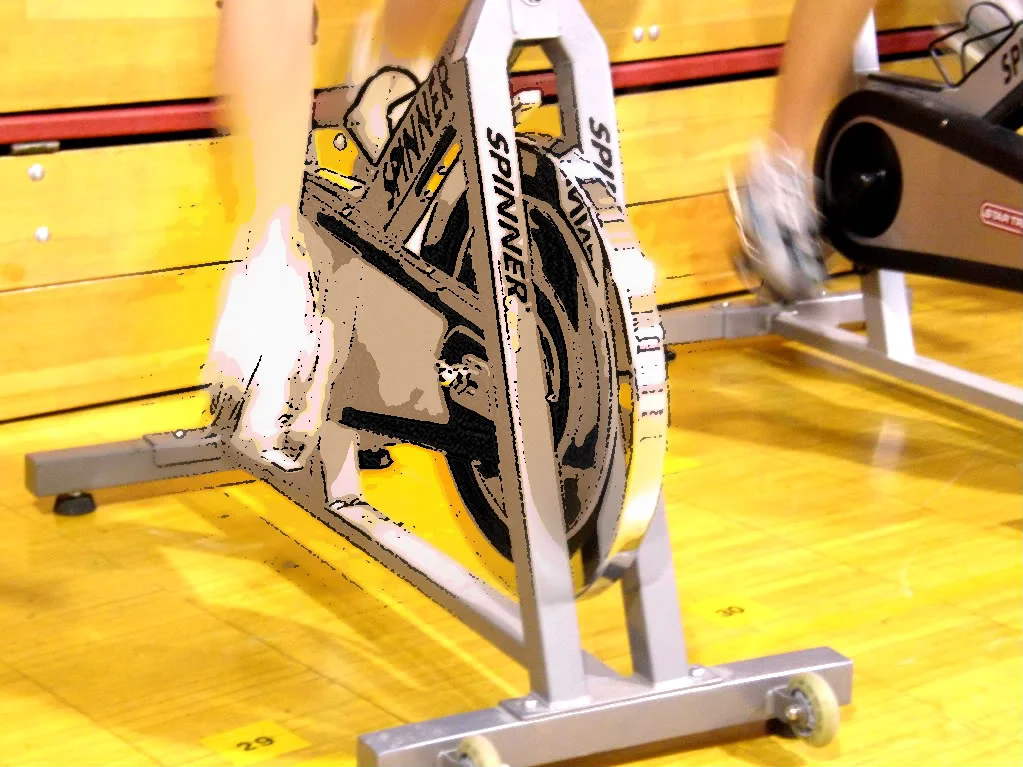
Today I went to my first spinning class in 2 months. Robert is my favorite instructor; he coaches with the perfect balance of encouragement to push yourself, and makes you feel awesome about what you're doing even when you're not. Classes with other instructors train me physically, but Robert engages the people in his class spiritually, as well.
Like anyone about to return to the gym, I assumed my body would struggle from the time I'd been away. To my relief, I felt relaxed from vacation and got back in the groove easily. I forgot some of the positions on my bike, but Robert straightened me out. It was a supportive, encouraging and individual class. Requests to 'turn to the right' (i.e. increase the tension on the bike) were accepted without resistance.
After two-thirds of the class though, those turns added up. The exhaustion I remembered weighed on my body. My focus was distracted by 'are you kidding me?!' thoughts and stolen glances at the clock. Right about then, Robert acknowledged the fatigue in the room, and then asked us to push through the resistance. And I did. And instead of feeling the burden, I pedaled faster, to where the resistance wasn't there. I felt so good in that moment, I committed to being coached for the rest of the class.
I realized that it's the same with resistance about anything - if we focus on it, and push on it and resent it, then the burden of its weight is overwhelming. That's when we need to reach for a new level of performance. To push through and reach a new space where the resistance is behind us, endorphins take over and renewed energy is dead ahead, just past the turn.

The Birds and the Bees of Dialogue
Power dynamics in conversation are not discussed regularly, yet they can greatly impact the quality of work relationships.
We know conversations can influence hearts and minds. But did you know conversations change body chemistry, as well? Relationships grow or are limited by conversational triggers that effect our neurochemistry.
Dopamine is released in the brain when you talk to people you trust. This stimulates the prefrontal cortex, the brain region that generates new ideas, empathy, creative thinking and good judgment. Conversations like these create a self-sustaining cycle of trust.
In contrast, conversations between people with low trust levels release chemicals that shut down the prefrontal cortex: cortisol and catecholamine. These stimulate more primitive areas that are sensitive to conflict, prompt protective brain functions and generate negativity and fight-flight-freeze responses. Trust doesn't develop when primitive brain functions like these are in control.
CHANGING THE CONVERSATION
Power dynamics in conversation are not discussed regularly, yet they can greatly impact the quality of work relationships. Judith Glaser, author and organizational anthropologist points out; “The next level of greatness depends on the quality of the culture, which depends on the quality of the relationships, which depends on the quality of the conversations.”
It’s easier to think about vulnerability from the ‘one-down’ position. Imagine a manager asks, “Could we try it like this?” or “Did you think about doing it this way?” Depending on the relationship, you might consider the manager helpful or micromanaging. Either way, energy is absorbed or exchanged, but not generated in a conversation like this. Your role is to deliver what's expected, not to help find a solution.
What if, in the same exchange, you were asked, “How could we approach this differently?” How would that influence your energy? Would you feel more comfortable expressing your thoughts and ideas?
There's an opportunity cost in choosing to solve instead of involve, even when it’s with the intent of being helpful. This applies to relationships with grant recipients, volunteers, colleagues – anyone you interact with regularly. Keeping these dynamics, and the biology behind them in mind can create new possibilities for your partnerships.

Transforming Partnerships, One Conversation at a Time
Like any good relationship, communication is key. When partners respect one another, learn from one another and unite towards a common goal, people, partnerships and organizations can be transformed.